Rio Holocaust Memorial
Exhibition design
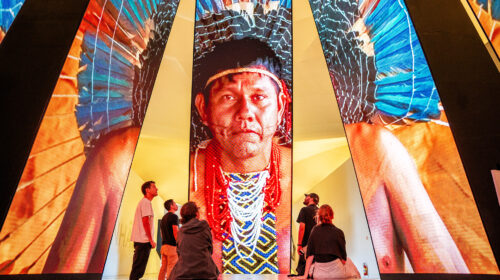
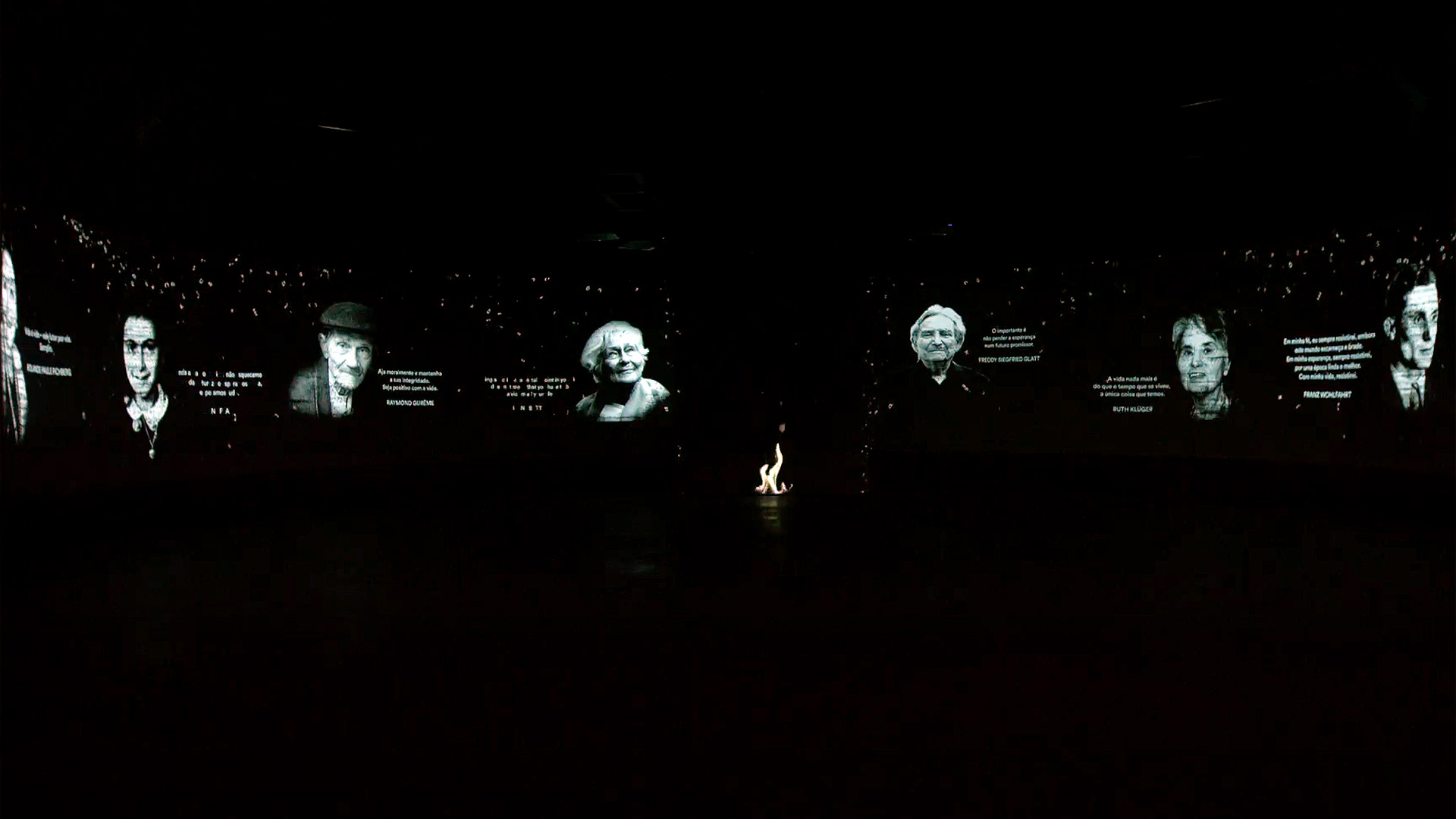
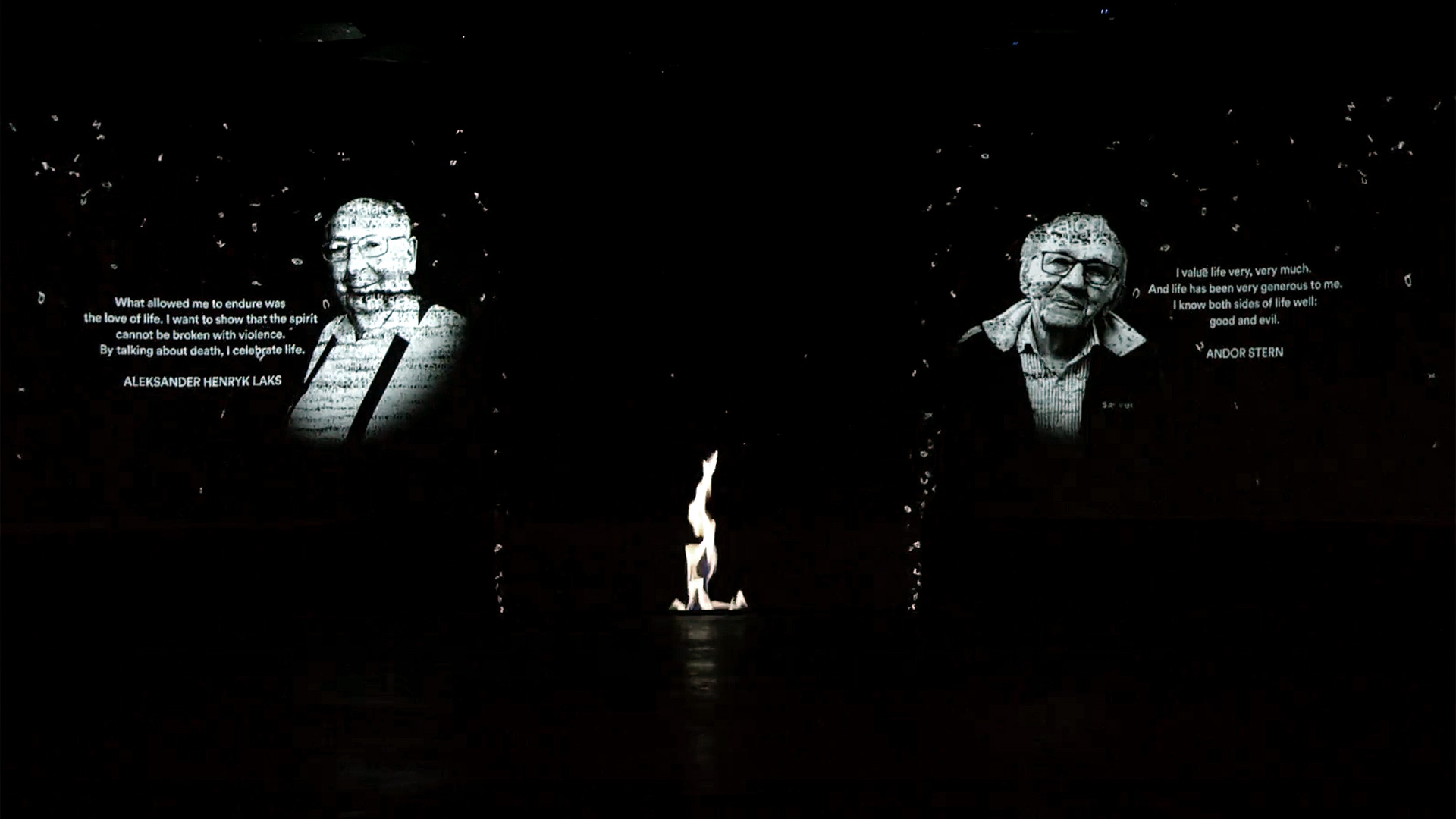
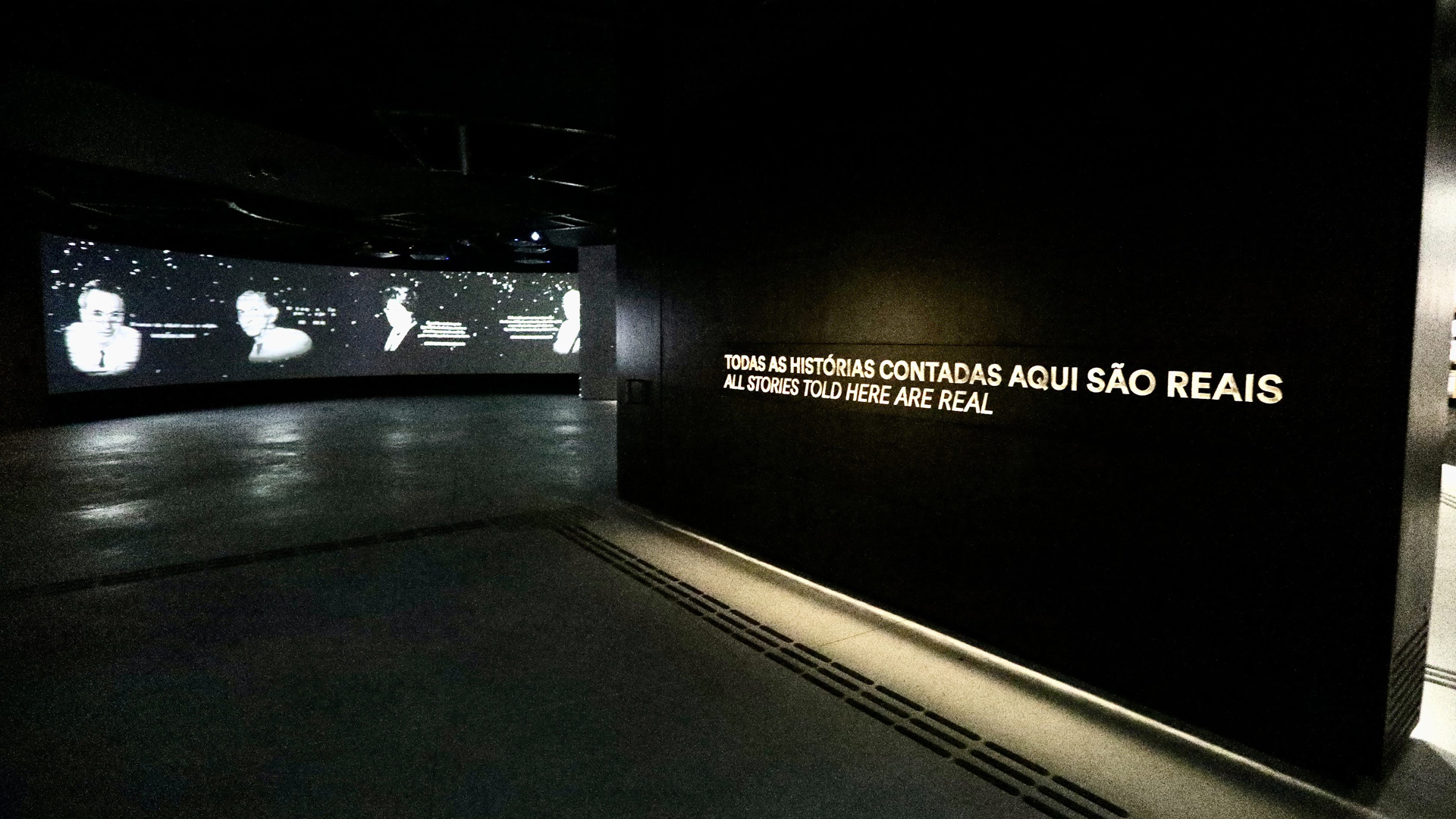
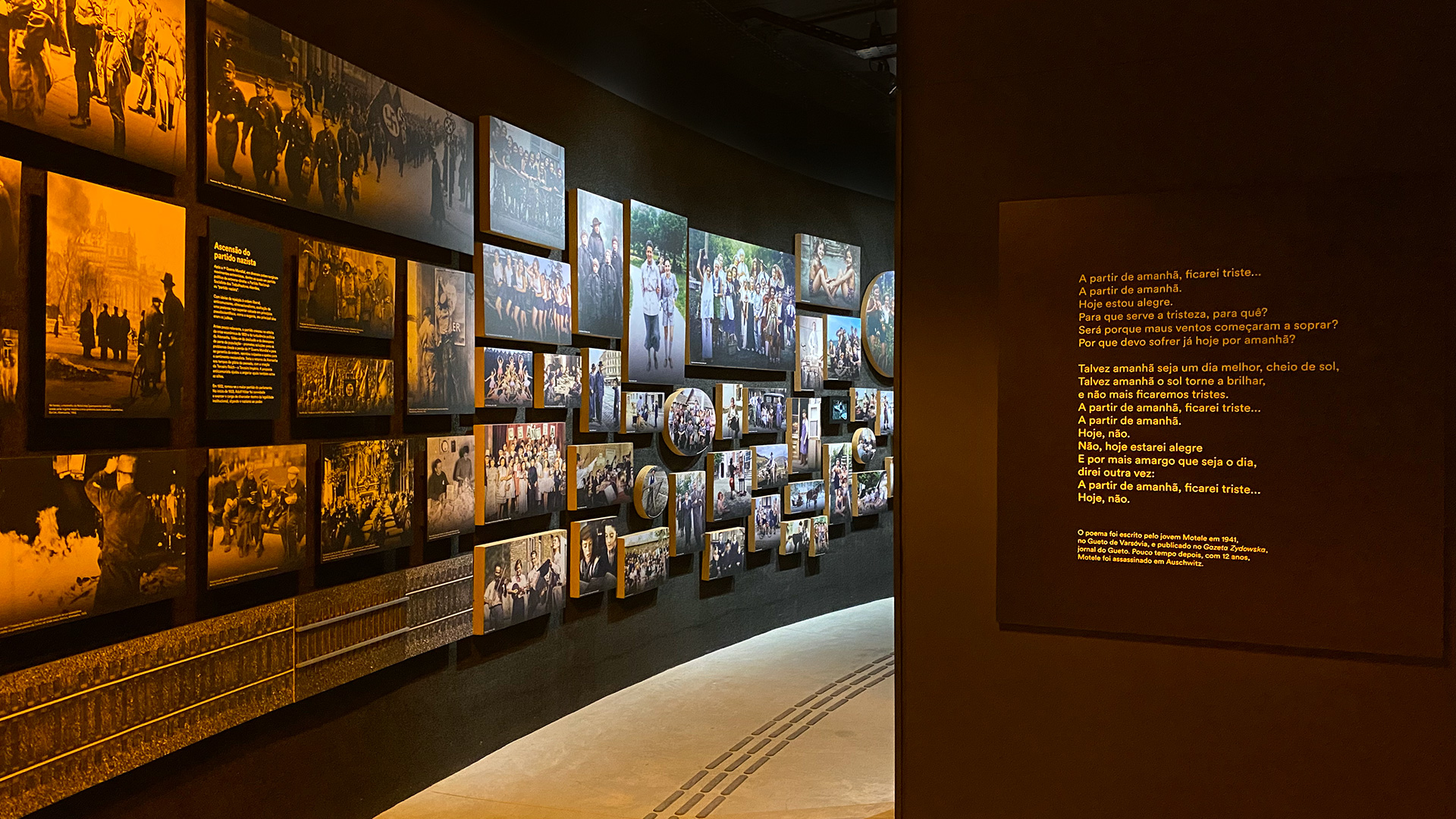
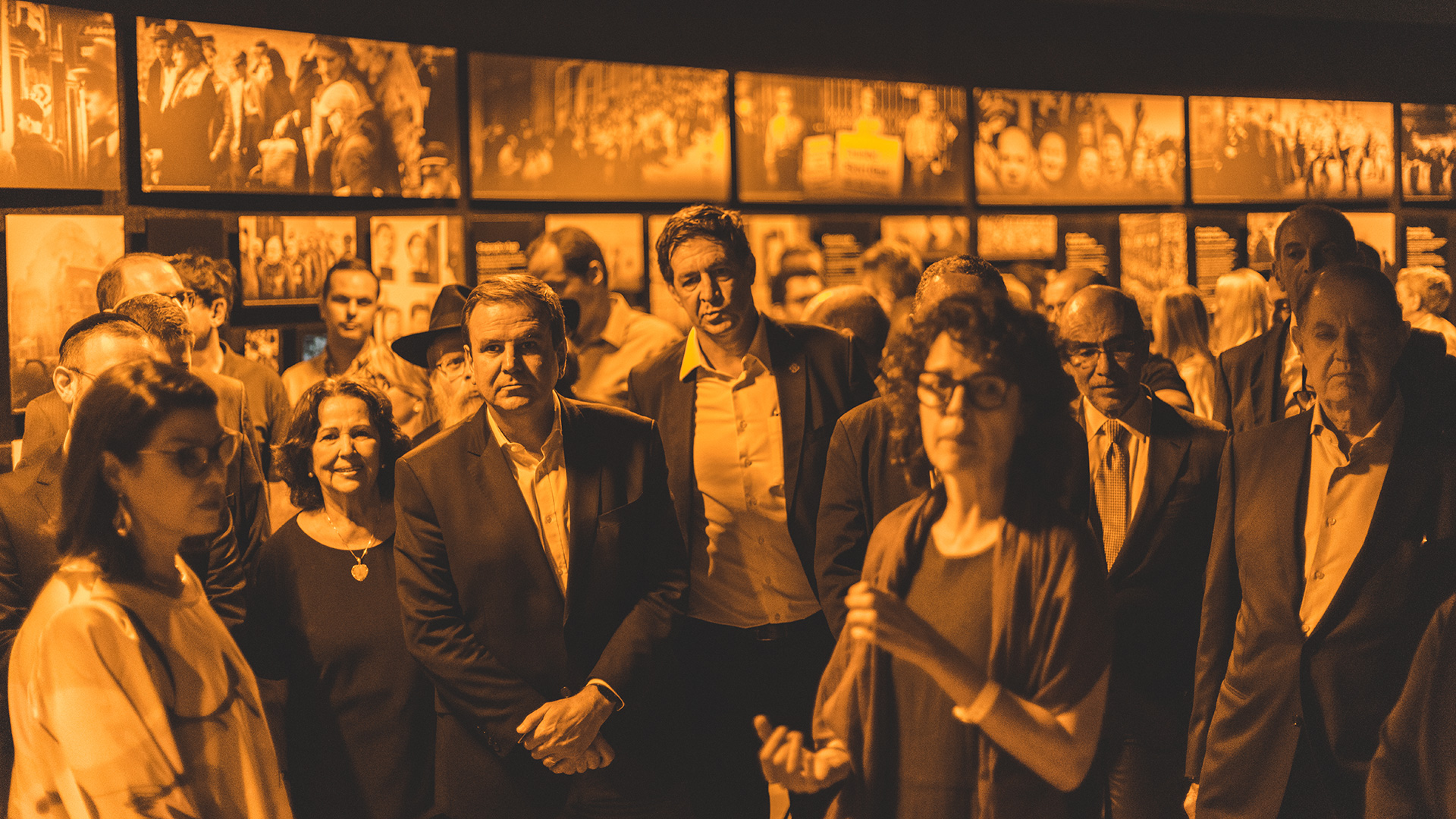
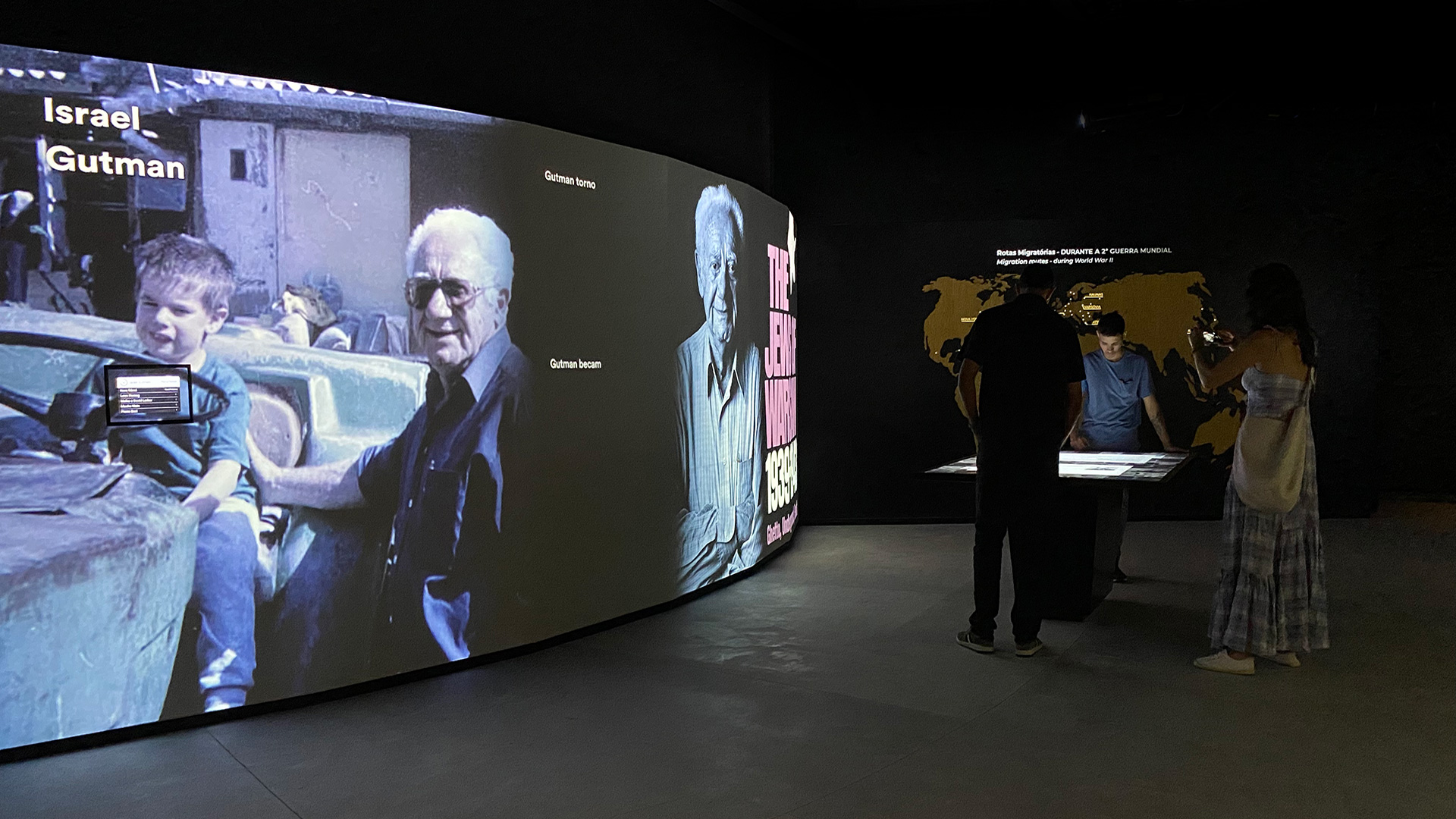
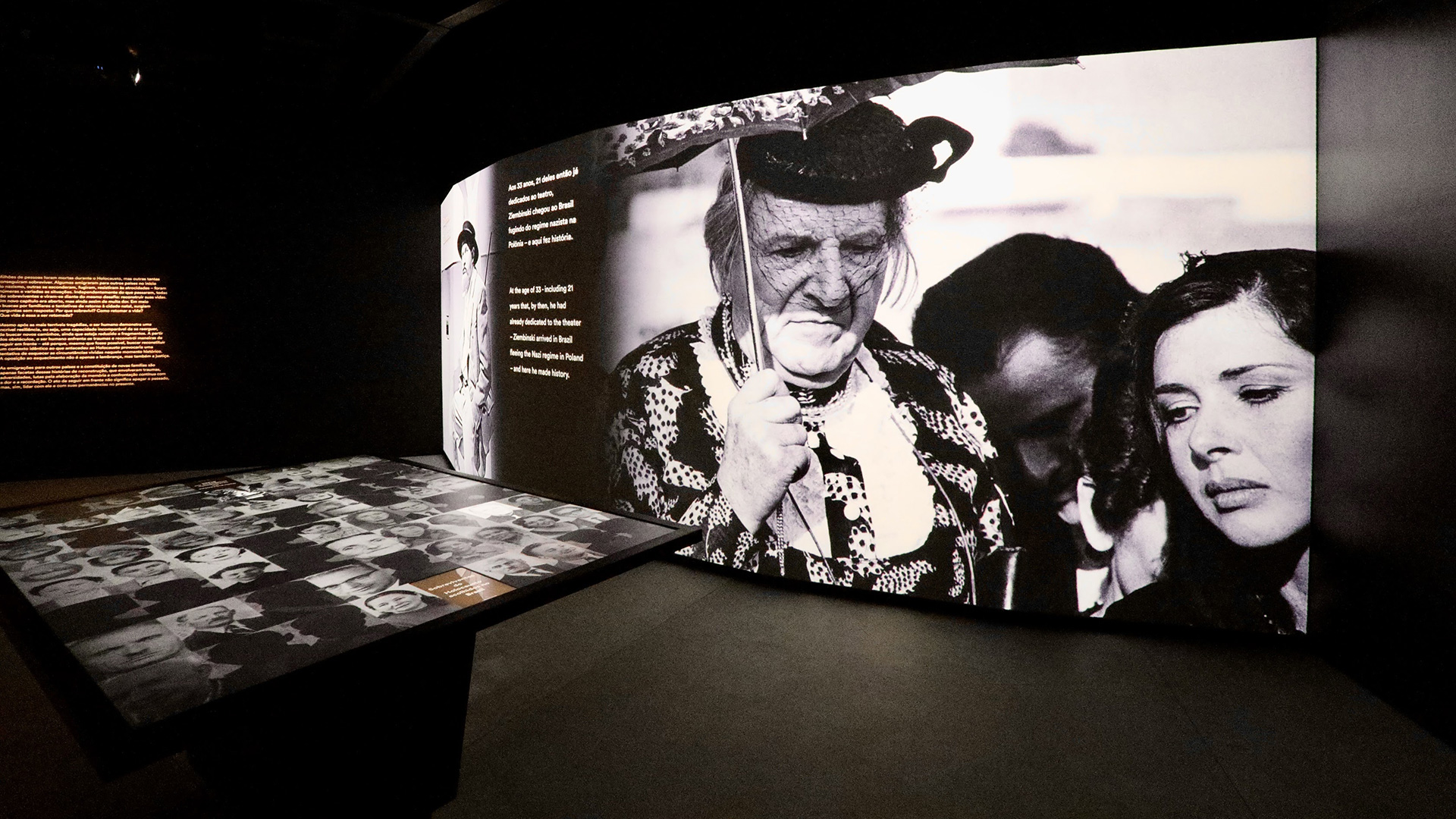
SuperUber created the Rio Holocaust Memorial exhibition. We learn from the discourse that has evolved over the decades, to bring a new look: instead of the perpetrators, we show stories of resistance from victims and survivors. The Memorial tells the story in three steps: before, during and after the Holocaust, always permeated by the concepts of resilience and empathy. Designed in a circular shape, the exhibition begins at Centro Vida, a large projection of portraits and quotes from survivors, coming from a strong flame – the flame of life.
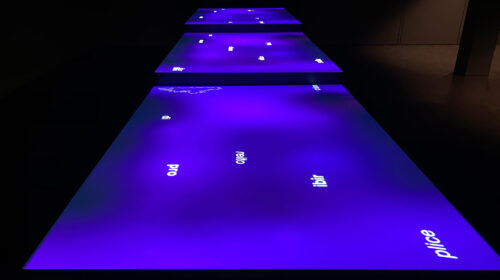
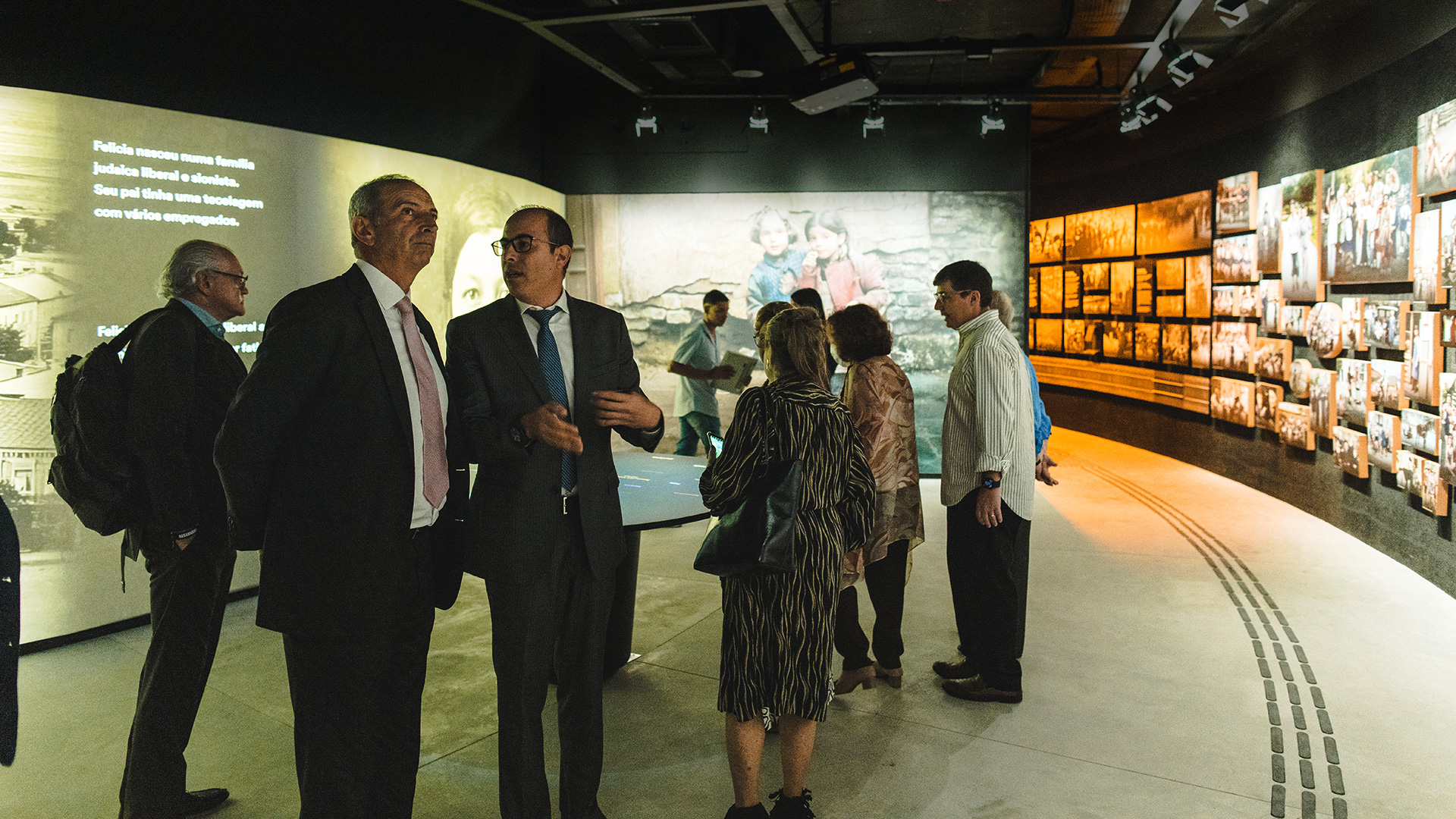
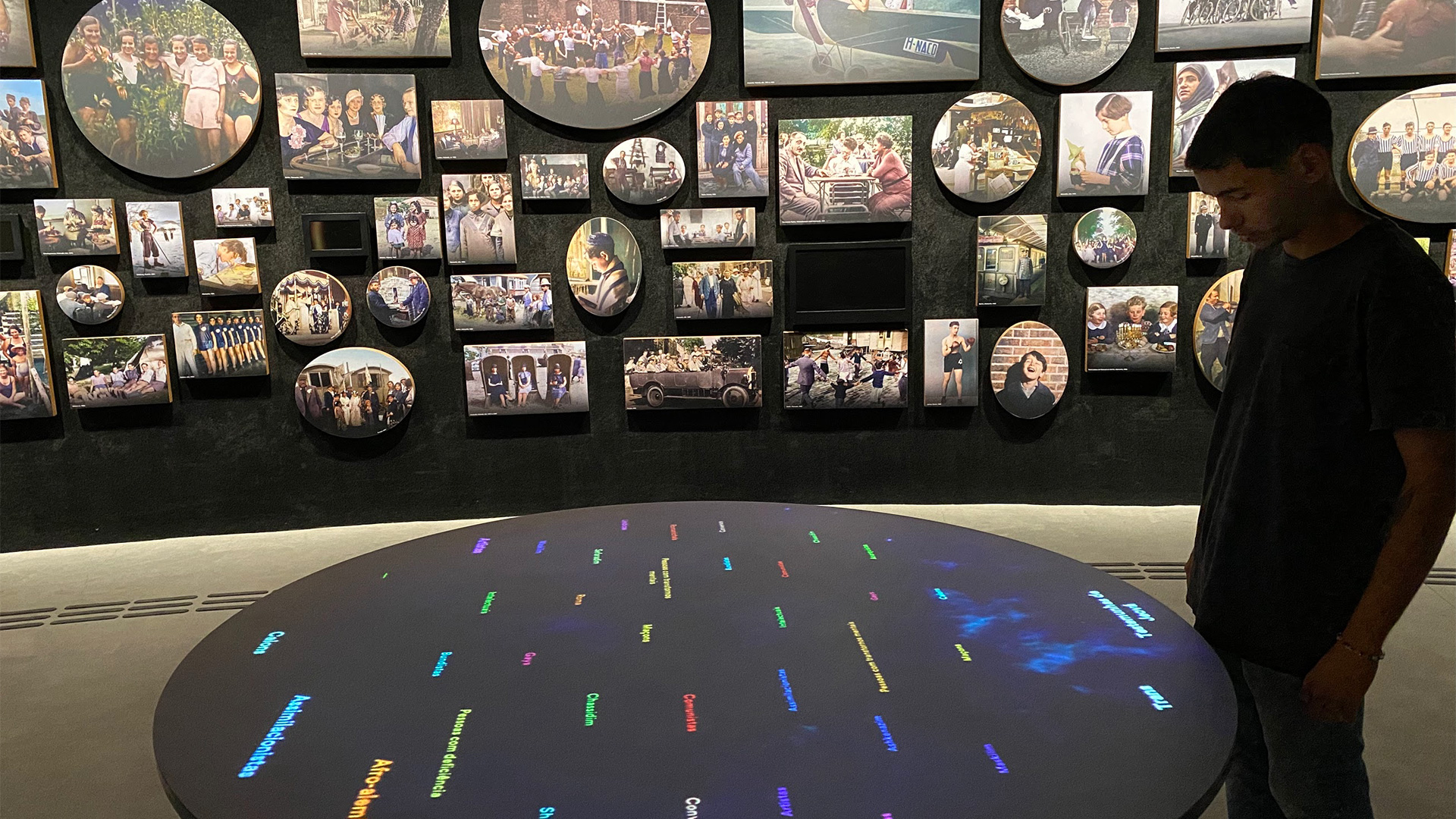
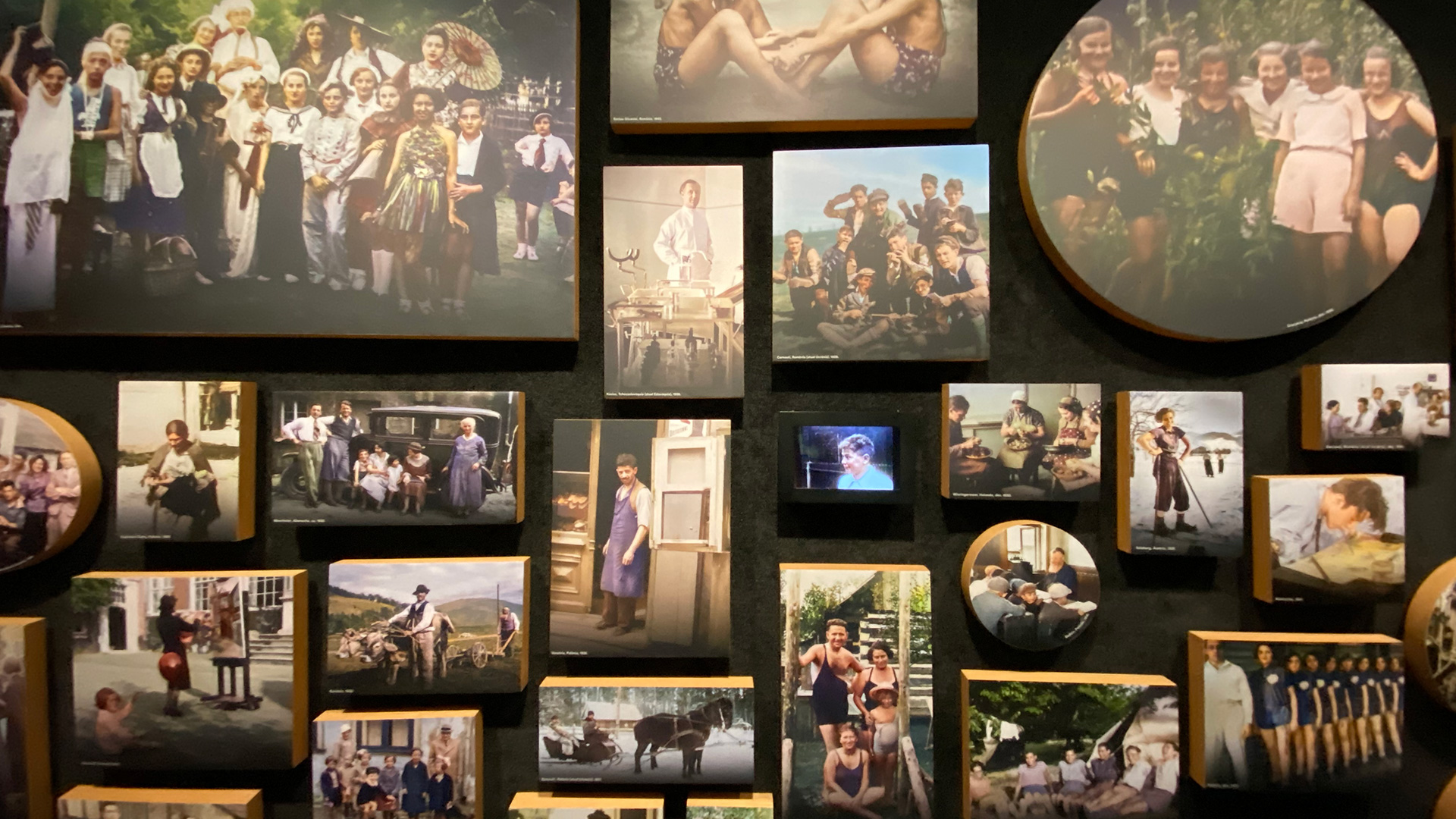
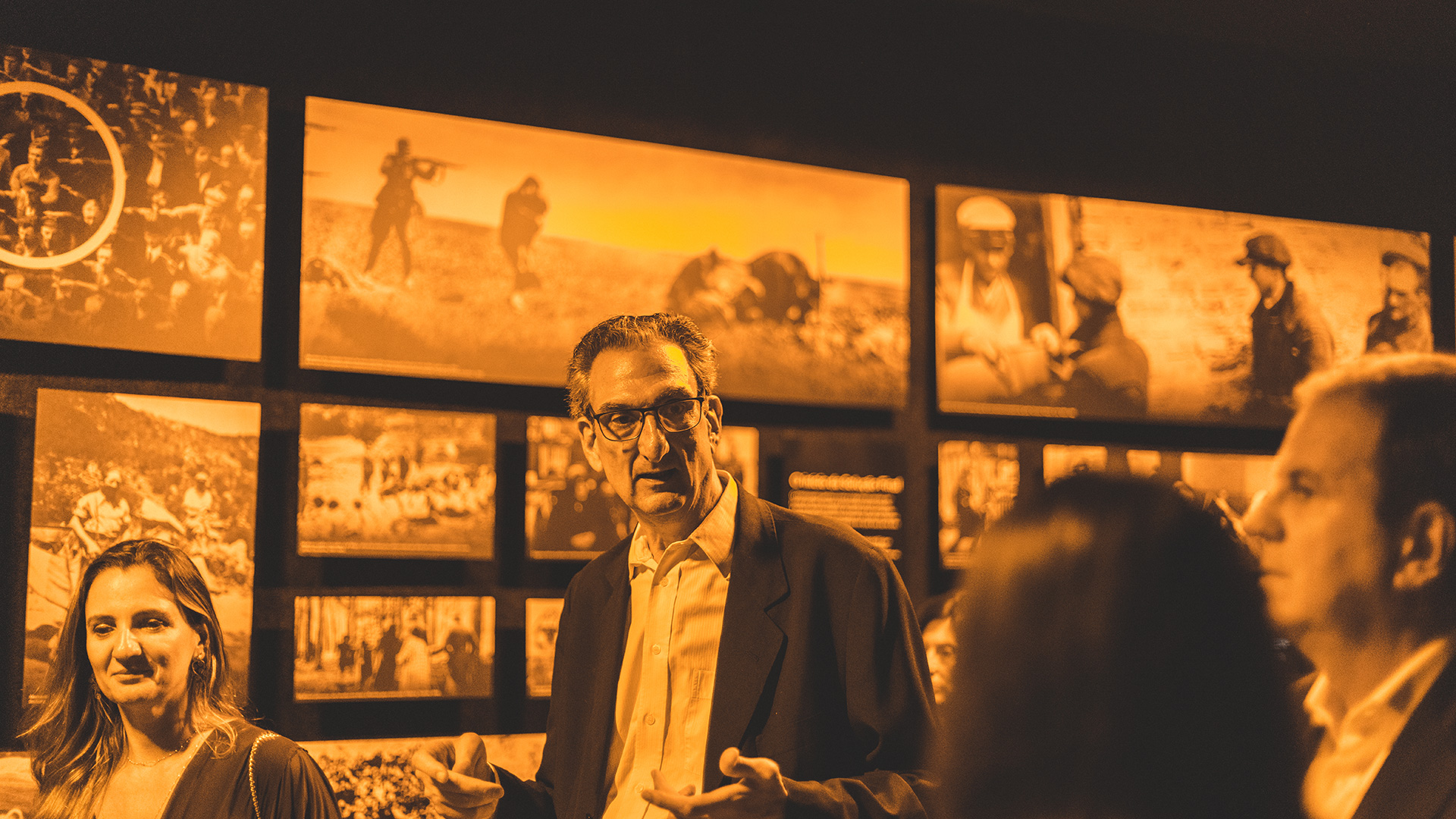
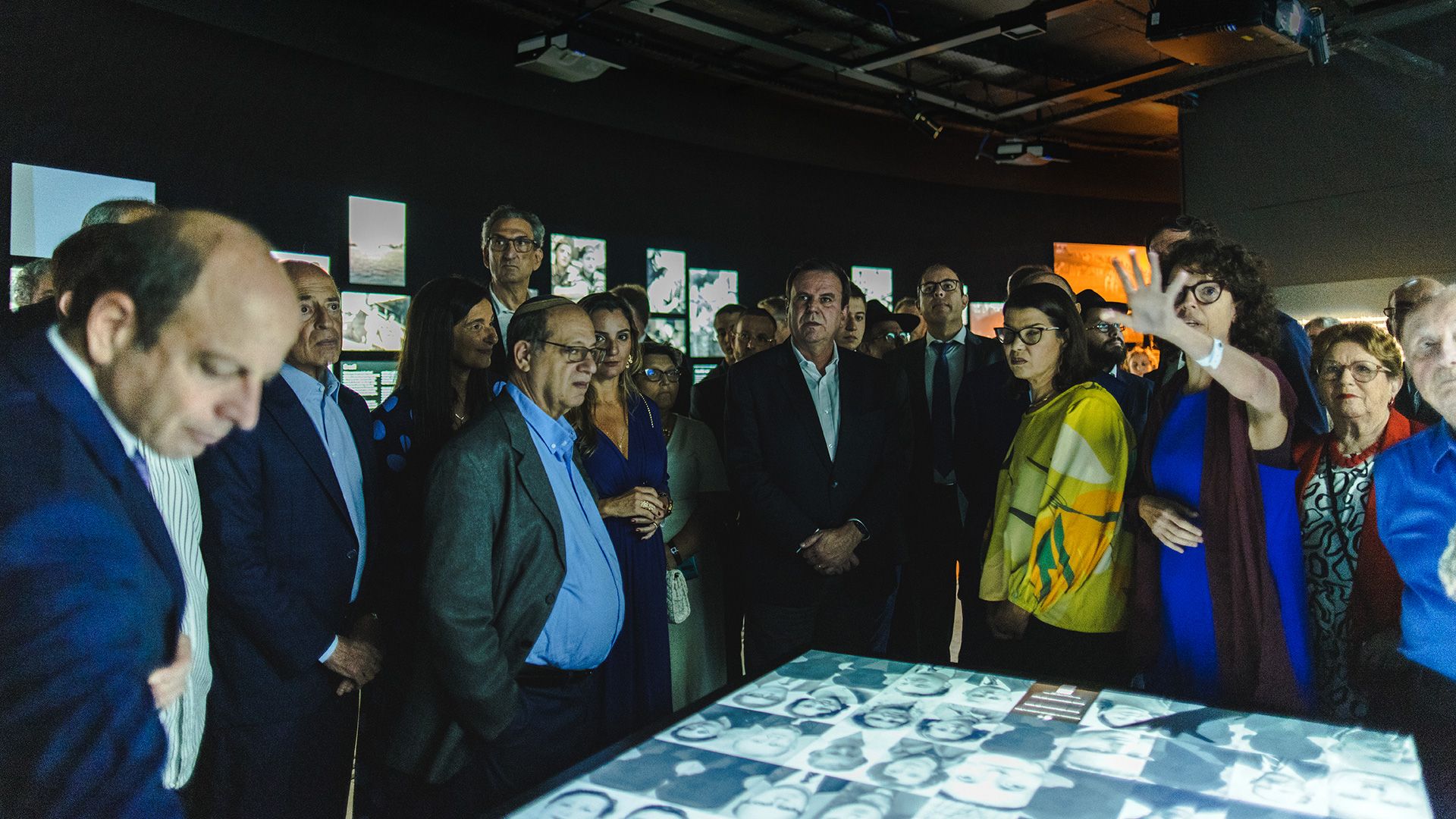
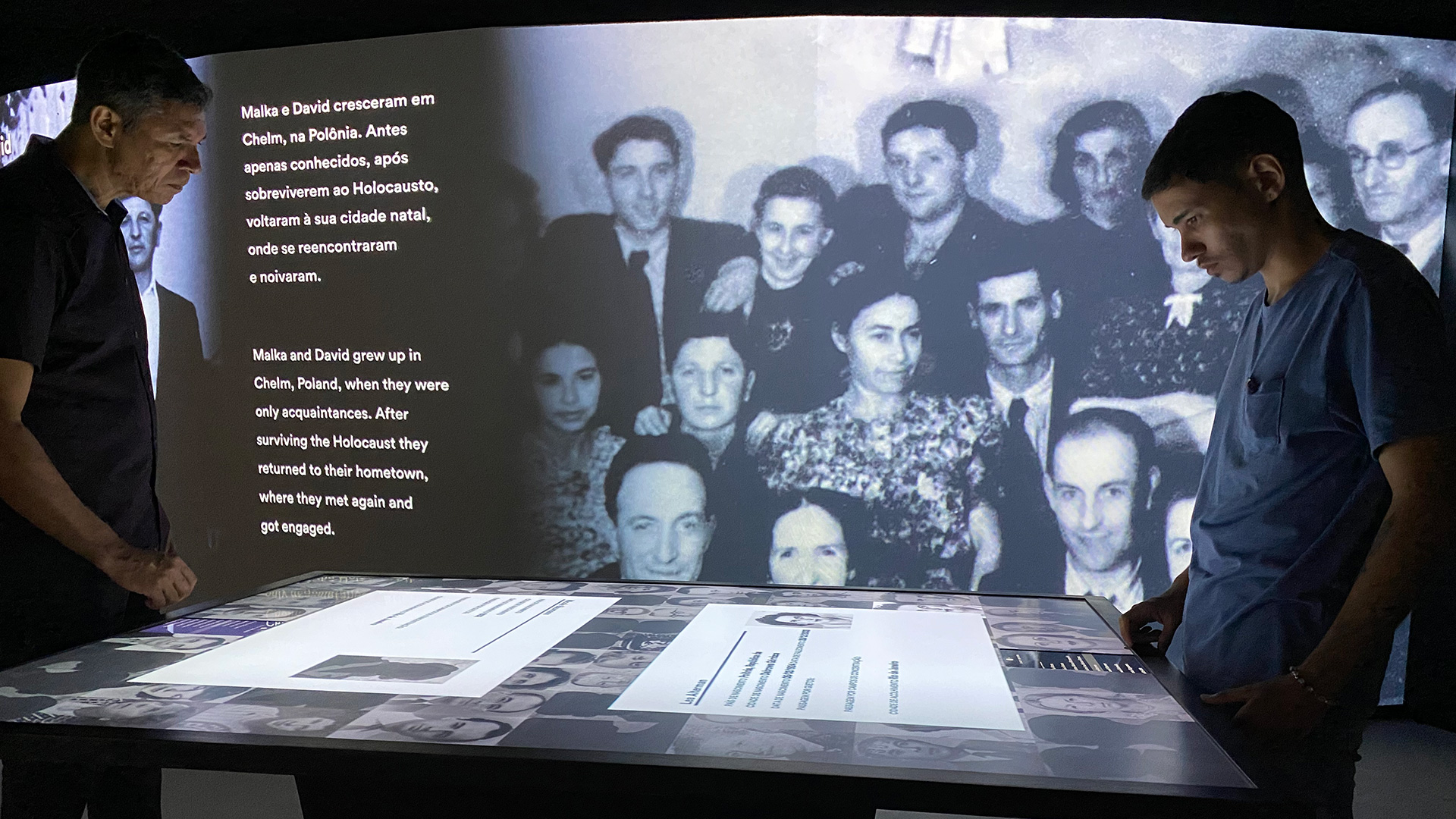
We explore plurality through an interactive table that represents the coexistence of cultures, religions, and peoples. Colorized photographs of rural and urban life reconnect visitors with the 1930s, complemented by short documentary projections.
During the Holocaust
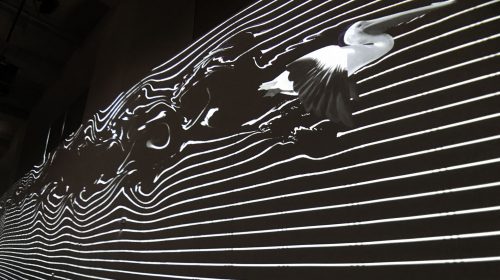
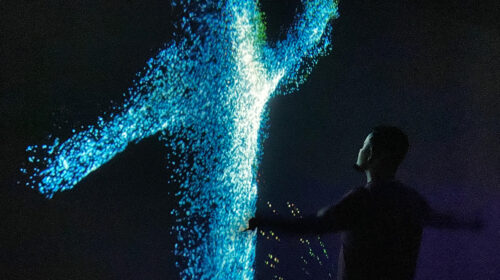
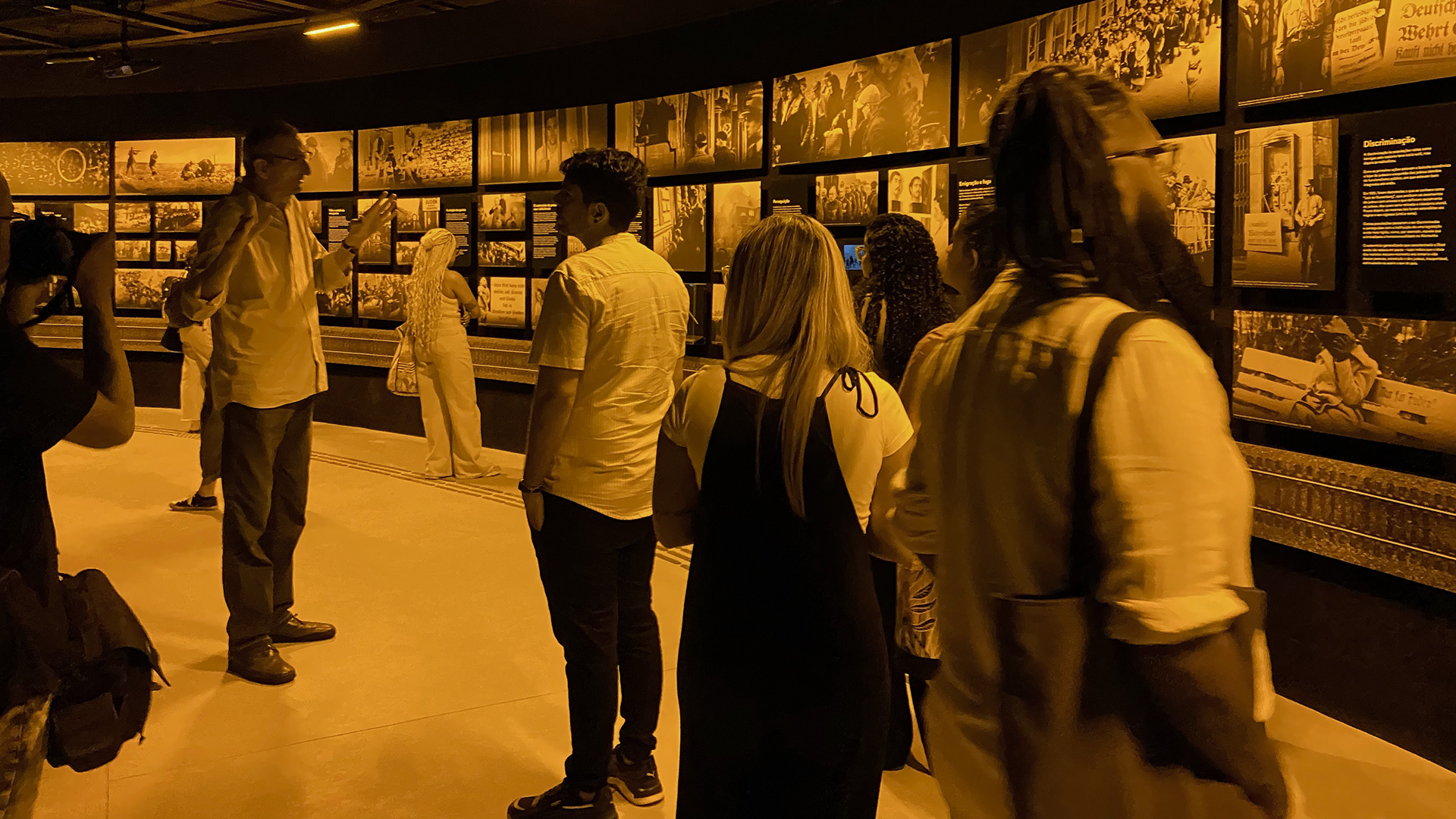
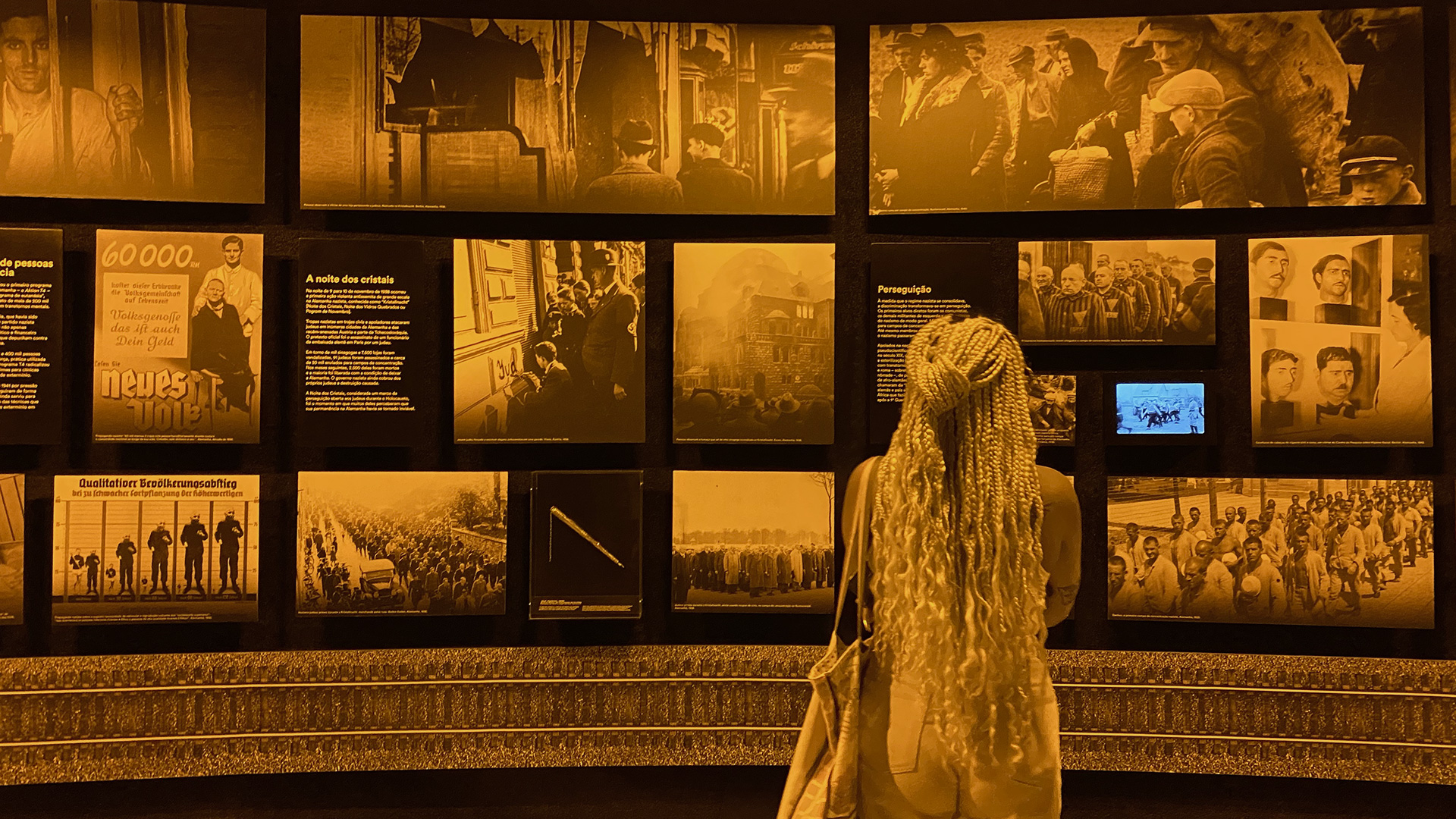
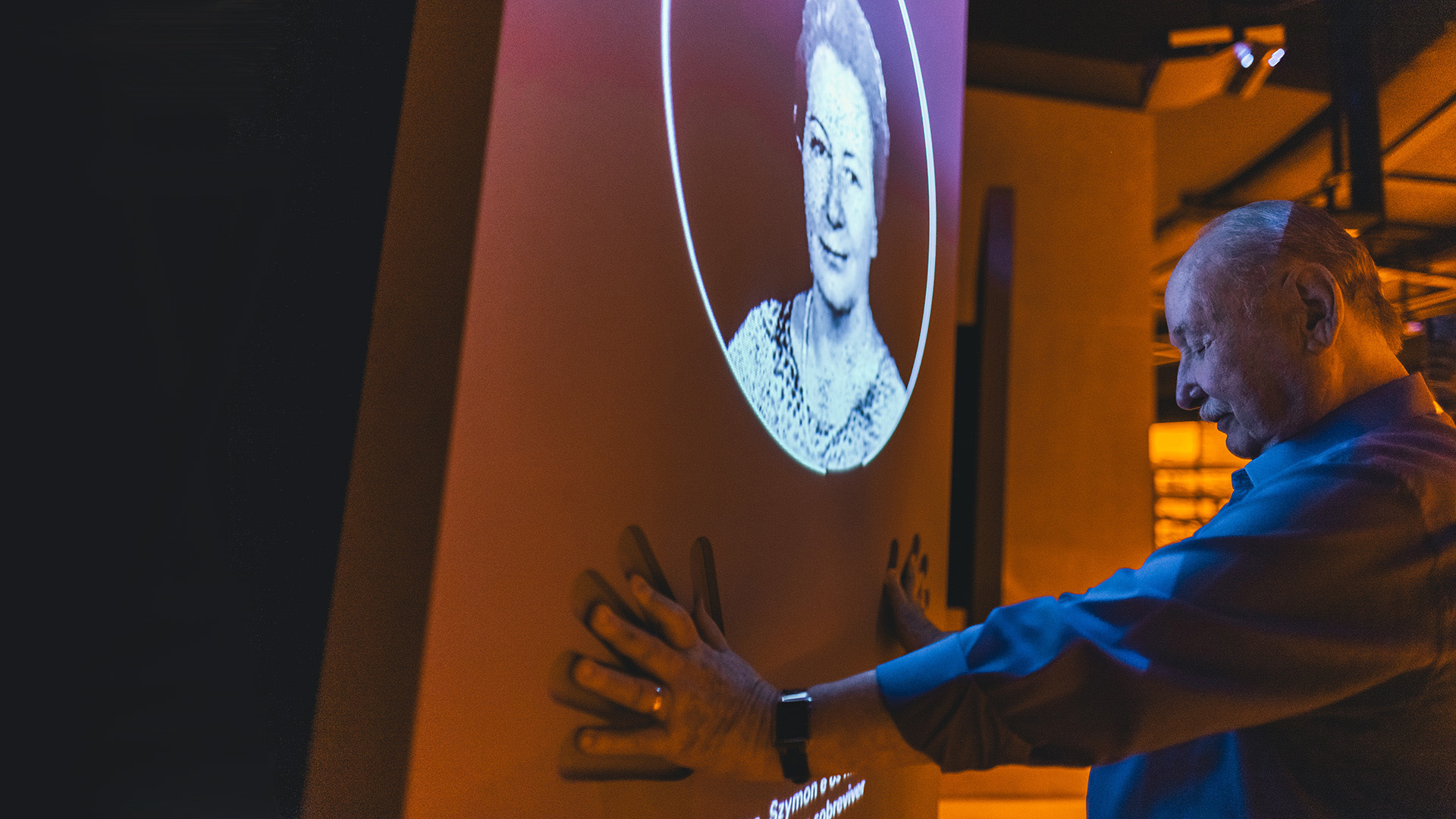
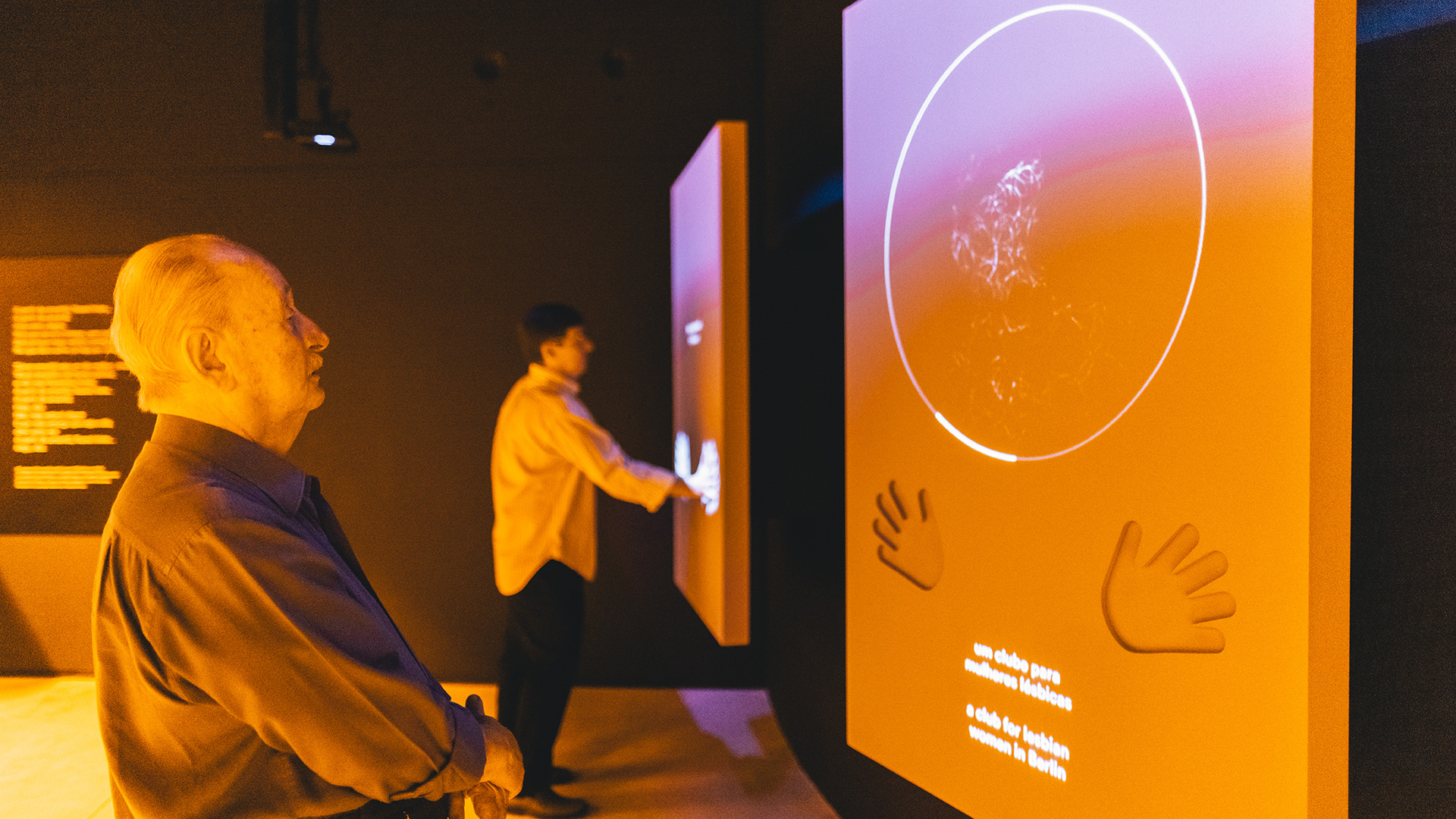
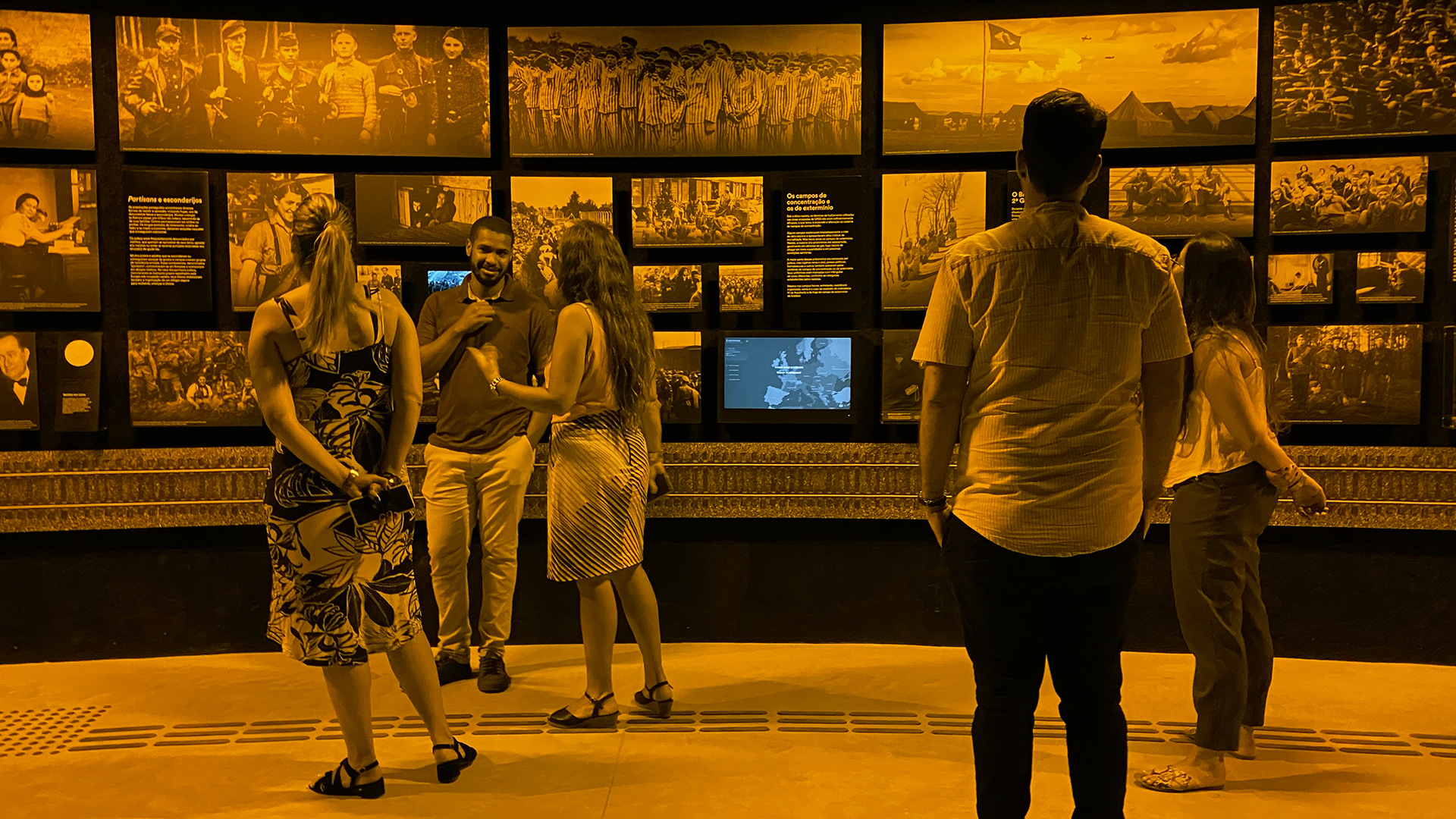
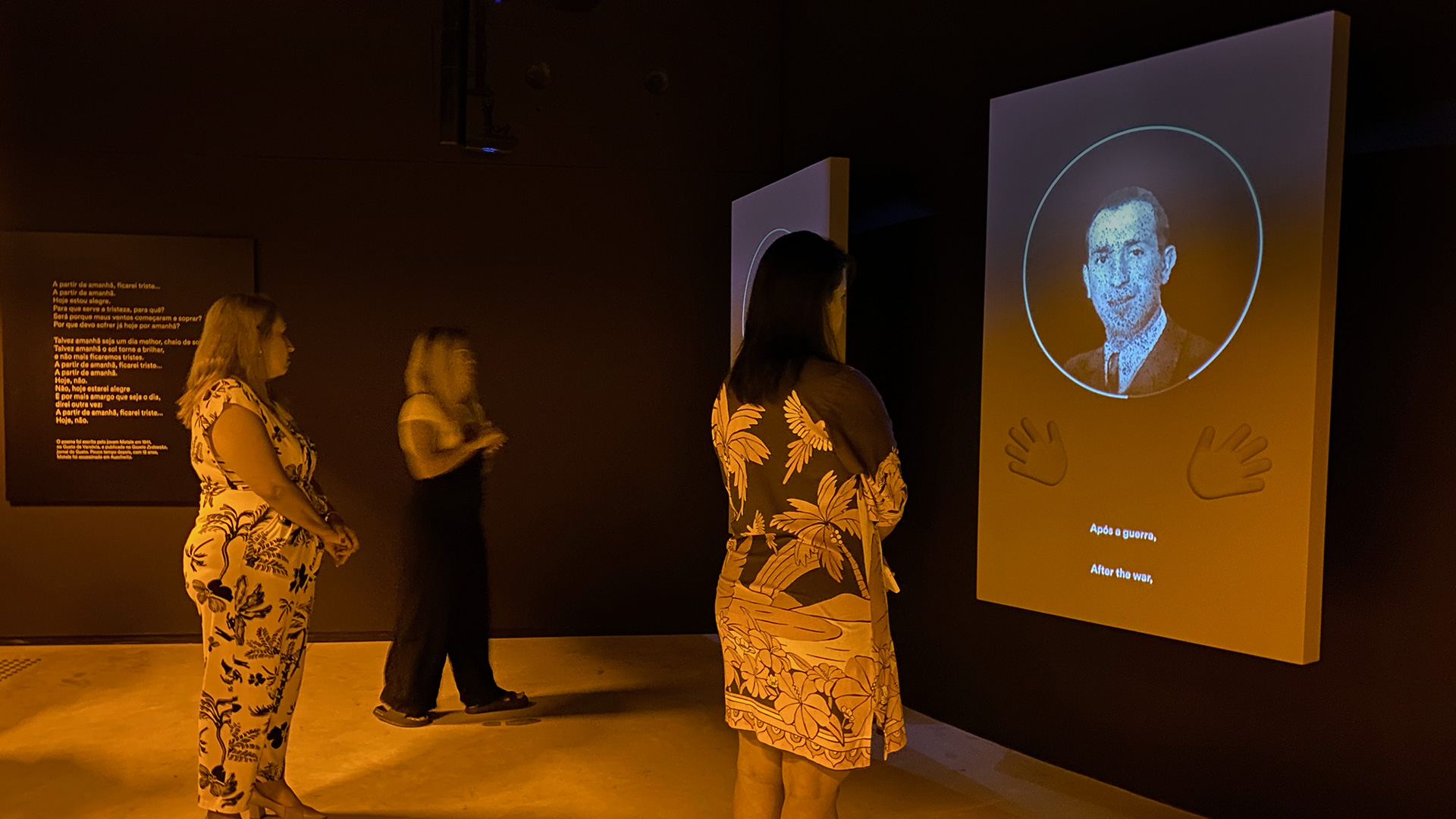
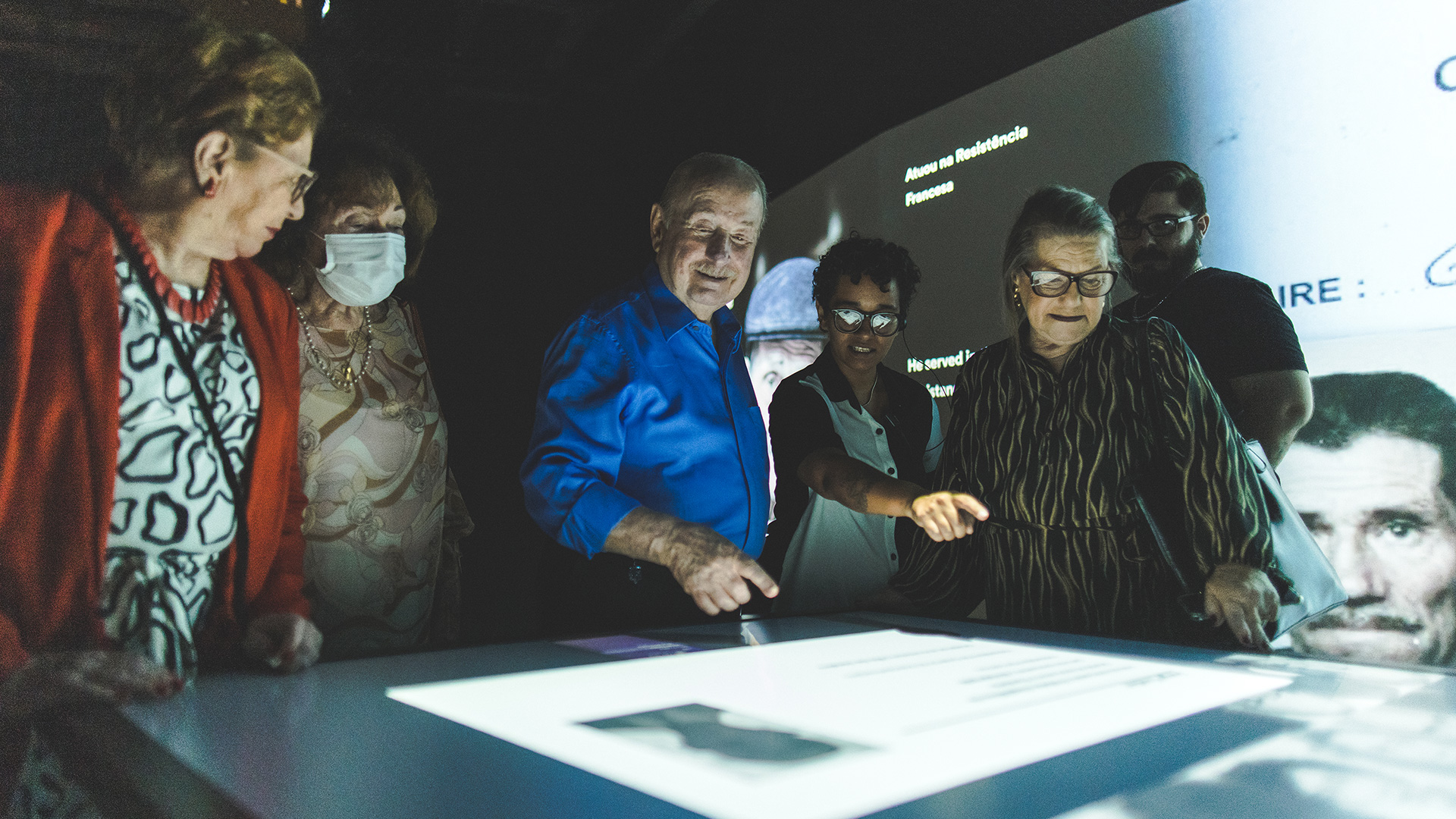
Special lighting removes all color from the space, including the visitors themselves. Interactive maps reveal sites of confinement and extermination, while survivor testimonies are activated by touch. At the center, the flame of life dims, projecting the word “resistance” in multiple languages. Empathy is the central concept of the interactivity.
After the Holocaust
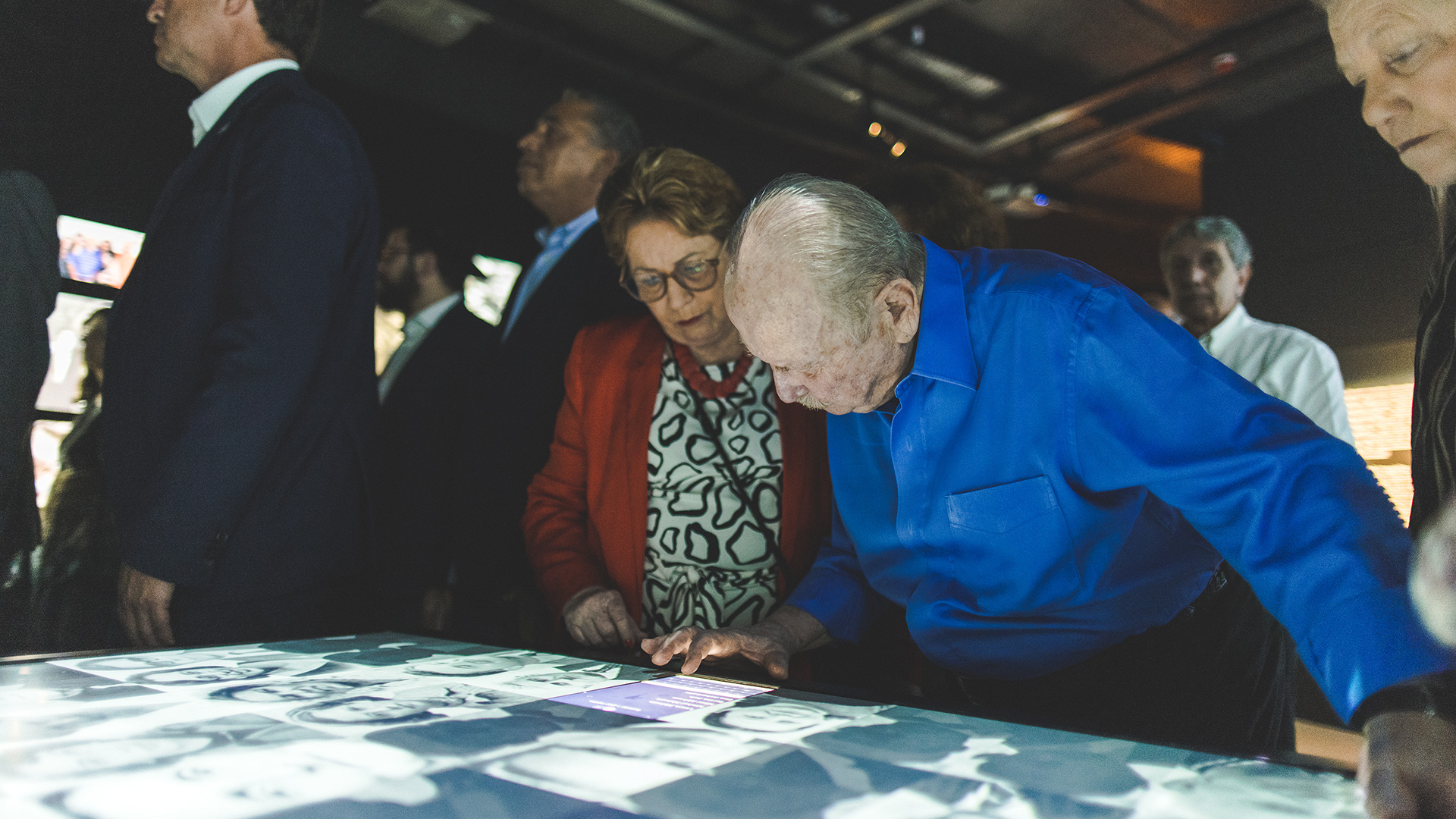
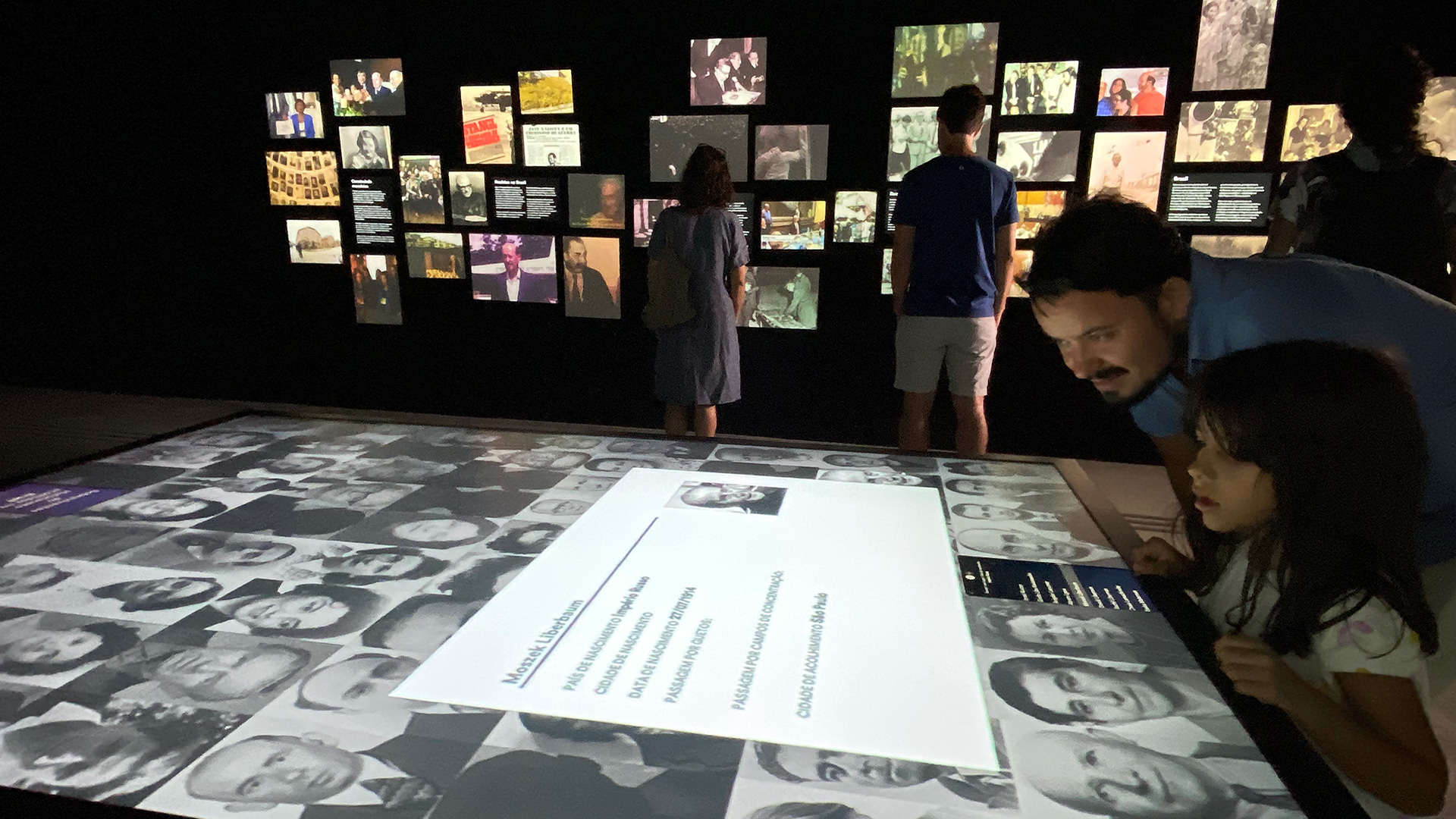
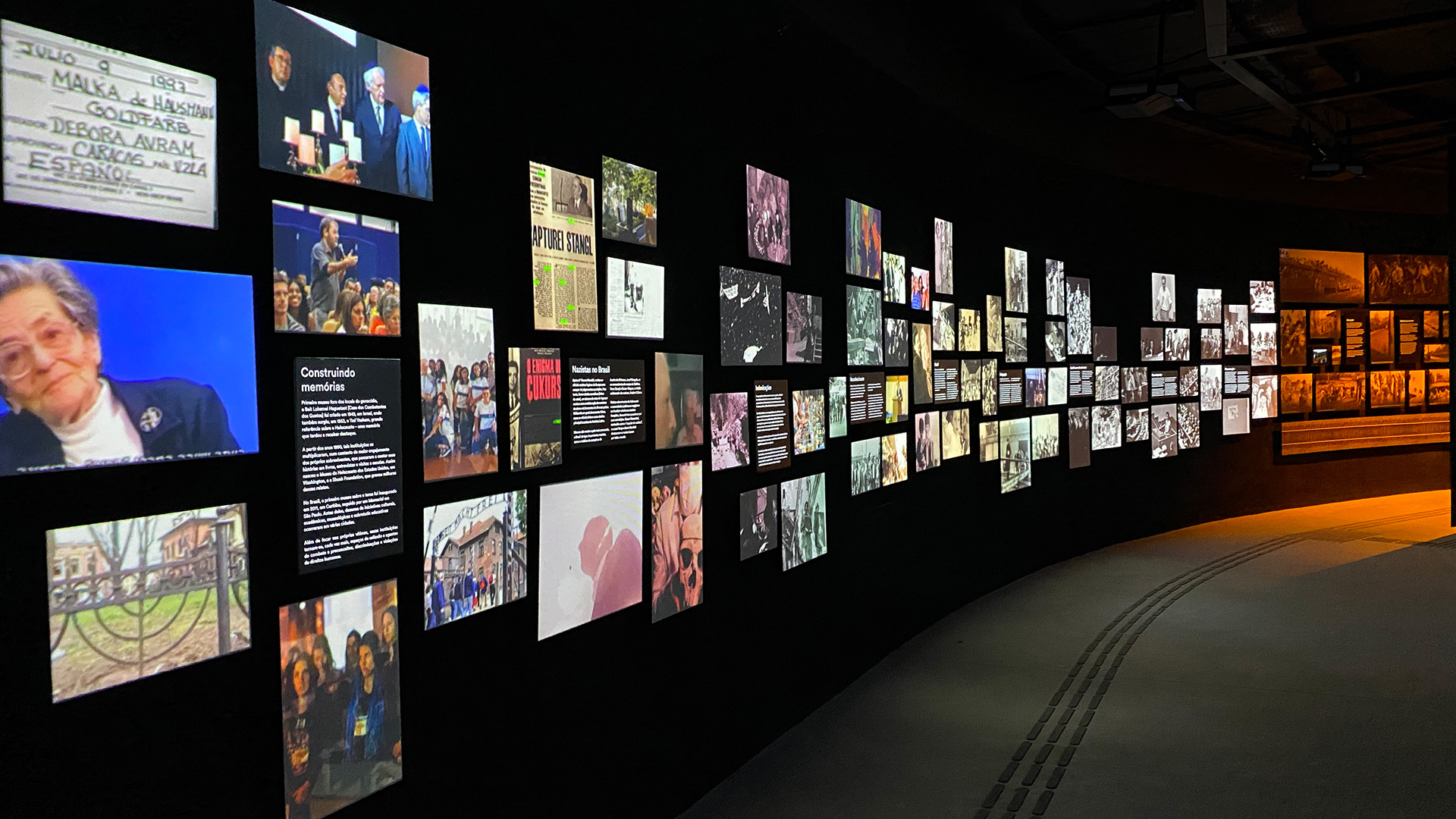
Focused on movement and reconstruction, this section features a map tracing migratory flows and a mosaic of videos about rebuilding lives. At the center, an interactive table becomes a photo album telling the stories of survivors who found refuge in Brazil.
Photos: Beth Santos and Guilherme Leporace